"ninjatrader margin" - Google News
[unable to retrieve full-text content] NinjaTrader Review 2026 Investing.com
Bitcoin (BTC USD) Price Rally Spurs Interest in Cryptocurrency Stocks Argo, Riot - Bloomberg |
| Bitcoin (BTC USD) Price Rally Spurs Interest in Cryptocurrency Stocks Argo, Riot - Bloomberg Posted: 26 Jan 2021 11:54 PM PST [unable to retrieve full-text content]Bitcoin (BTC USD) Price Rally Spurs Interest in Cryptocurrency Stocks Argo, Riot Bloomberg  |
| Bitcoin price rises as second-biggest cryptocurrency ether hits all-time high - CNBC Posted: 25 Jan 2021 06:23 AM PST  Ethereum and Bitcoin coins. Getty Images Ether, the digital token of the Ethereum blockchain, notched a new all-time high of $1,476 early Monday morning. The cryptocurrency climbed 6.2% to a price of $1,415 at about 9:15 a.m. ET. Altcoins, or alternative cryptocurrencies, have been known to rally in times of strength for bitcoin. Ether's latest price movement was attributed to increased use of Ethereum — its underlying network that is undergoing a major upgrade — and interest from institutional investors in crypto. "Ethereum's current rise cold shoulders the sceptics, many of whom were quick to denounce crypto when bitcoin recently fell from its $40,000 high," said Simon Peters, cryptoasset analyst at online investment platform eToro. "With a whole range of logistical improvements to the Ethereum network in the works, increased institutional inflows, and more and more developers building on the platform, the future is bright for Ethereum. I believe that a price of $2,500 by the end of the year is very feasible. As with all crypto, however, there will be bumps along the way." Bitcoin, the world's largest cryptocurrency by market value, has had a wild start to 2021. After quadrupling last year, bitcoin's price briefly topped $40,000 for the first time on Jan. 7. It's down 17% from its all-time high, but still up over 17% since the start of the year. Advocates of the digital coin say it's benefited from heightened institutional demand and its perception as a safe haven asset similar to gold. But skeptics are worried bitcoin is in a bubble.  |
| Bitcoin part 1: Here’s how the cryptocurrency works - Moneycontrol.com Posted: 26 Jan 2021 08:18 PM PST Note to readers: Bitcoin is becoming popular by the day. It has captured the imagination of many young investors and millennials. But keeping aside its meteoric rise, what is Bitcoin really? And why is the Reserve Bank of India worried? Moneycontrol's two-part series demystifies Bitcoin, cryptocurrencies and how they work. From $121.34 a unit in October 2013 to $32,000 in January 2021, the Bitcoin's price has skyrocketed. And no wonder investors of all hues have been intrigued by the cryptocurrency's massive rally. What is this instrument, if it is one at all, and what explains its incredible upward journey? And should you consider the Bitcoin for your portfolio? What is Bitcoin? Bitcoin is a type of digital currency. But it is unlike other fiat (legal) currency – the Rupee, US Dollar, Euro and so on. A currency is meant to buy goods and services. But unlike normal currencies, the Bitcoin is available only in digital form. It is one of over 4,000 cryptocurrencies available in the world today.
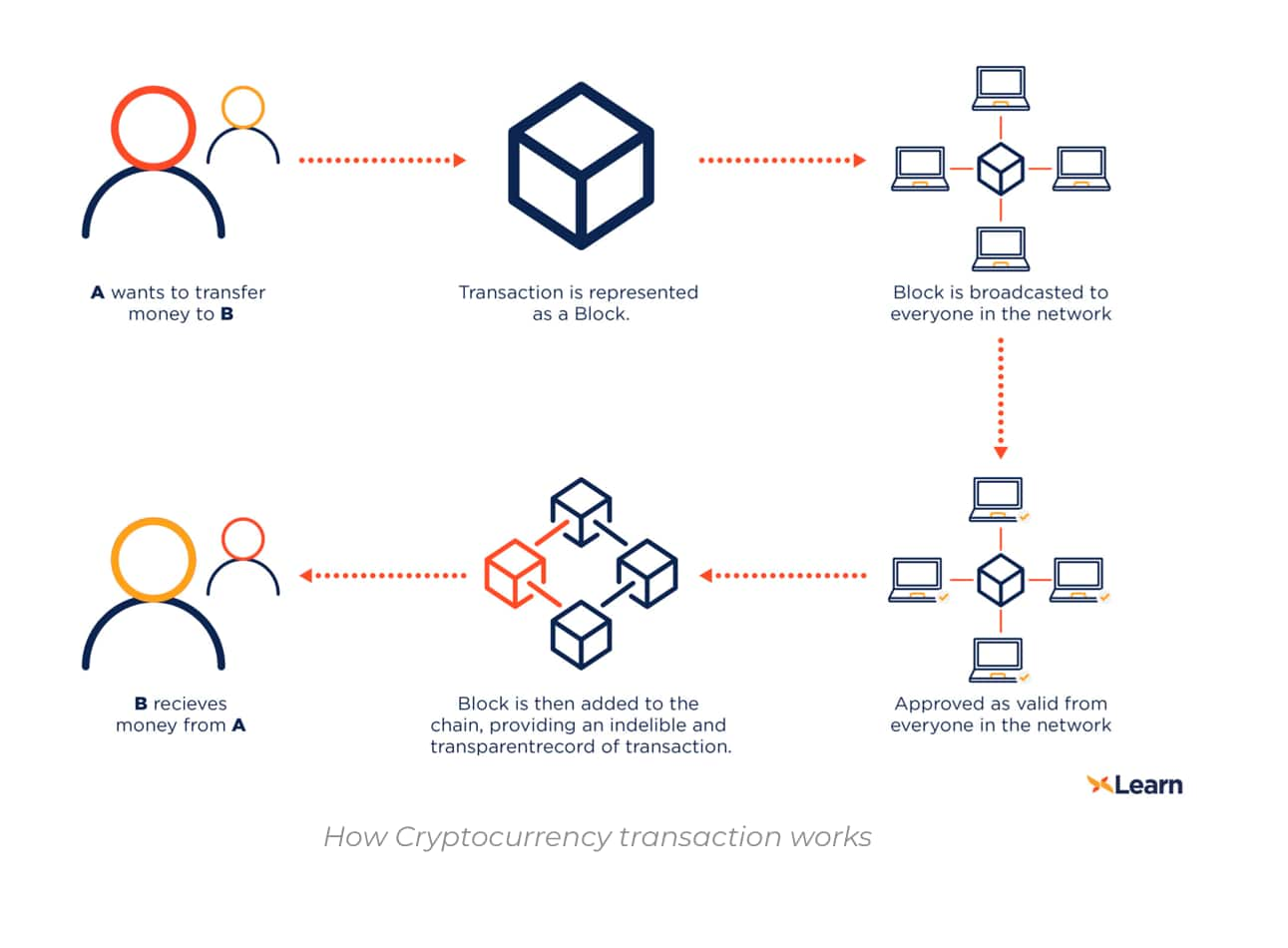
What is a cryptocurrency? A cryptocurrency is a virtual currency. It is a generic name – Bitcoin is like a brand. Think of cryptocurrency as Cola and Bitcoin as, say, Pepsi. The Bitcoin is the most popular cryptocurrency in the world today. A single unit of a cryptocurrency is actually a complex computerized code that cannot be duplicated. Why do I need a Bitcoin in the first place, when there is regular currency? Our usual currencies are subject to a lot of rules and regulations. Central banks of various nations govern their currencies. They control the exchange rates, decide how much money to print and intervene regularly in forex markets. In 2008, after the global credit crisis, a need was felt to democratize how currencies are held, exchanged and regulated. That year, an anonymous person, under the pseudonym 'Satoshi Nakamoto,' invented Bitcoin. Nobody yet knows who and where Nakamoto is. That was the birth of cryptocurrencies. Ever since, many other cryptocurrencies were invented, but Bitcoin remains the most popular. Cryptocurrencies are more democratic. You can use them in any part of the world, buy as much as you want and use them anywhere. There is a network of people and their computers that maintains a ledger. Any exchange of the cryptocurrency must be validated by all those who are present in the network. The ledger then gets updated to reflect the transaction. This technology is called blockchain. What is Blockchain? Blockchain is a technology on which Bitcoin – or any other cryptocurrency – works. It's nothing but a sophisticated record-maintaining system run by several users in a decentralized way. When a Bitcoin is exchanged, a block of data (an alphanumeric code that signifies the cryptocurrency, its quantum and value) is created and shared across all the computers (or nodes) attached to the network. Think of this block as a series of such transactions. Once this block is verified, a formal record gets entered into the decentralized database for everyone (who is on that network) to see. Then, when that same Bitcoin is sought to be sold again, another block gets created. The previous transaction (or block) is not erased. The new block gets attached to the old block to form a chain (hence the term blockchain) for everyone to see the trail. This way of record keeping also means that the transaction cannot be reversed. So can Bitcoin replace our Rupee? Not so fast. For one, despite being devised as currencies that should enable you to buy goods and services, cryptocurrencies aren't yet considered legal tender. For one, many countries, including India, haven't legalized the use of cryptocurrencies. Why then has the price of Bitcoin gone up so much? The speculative potential of what Bitcoin can become once it finds global government acceptance and become legal tender is a key driver. In April 2018, the RBI virtually banned cryptocurrencies and prohibited all regulated entities, such as banks, from allowing anyone to trade in them. So, you could no longer transfer funds from your bank account online to a cryptocurrency exchange for buying a Bitcoin or any other cryptocurrency. But in March 2020, the Supreme Court said that such curbs are illegal. The Supreme Court's ruling makes many believe that eventually cryptocurrency would become legal tender. Higher demand and lower supply lead to higher prices. The current stage of Bitcoin is one where there is limited supply and a very high demand. That is why Bitcoin's price shot up 414 percent between March 2020 and January 2021. The US, UK and Germany are some countries that allow the use of cryptocurrencies. So what is the danger in making this a legal currency worldwide? Apart from decentralization and democracy, the basic idea of cryptocurrency is that there must be no restrictions or controls. Cryptocurrencies do not maintain your records. When you exchange any cryptocurrency, all that gets stored in the decentralized ledger we just told you about, is the fact that the currency was exchanged. Your identity does not get stored. Buyers and sellers of Bitcoin do not get to know each other's identities. Hence, it's difficult to tax Bitcoin and that is a loss of revenue to the government. You can buy almost anything on the dark web without your identity being revealed and that is a real danger in popularizing cryptocurrencies. But most importantly, this anonymity in cryptocurrencies can give rise to terror funding and money laundering. There have been many ransomware (virus) attacks – websites of large companies have been held hostage. These cyber criminals demanded cryptocurrencies as ransom so that they wouldn't be identified or tracked. |
| Ethereum, Litecoin, and Ripple’s XRP – Daily Tech Analysis – January 27th, 2021 - Yahoo Finance Posted: 26 Jan 2021 09:36 PM PST EthereumEthereum rallied by 3.79% on Tuesday. Partially reversing a 5.46% slide from Monday, Ethereum ended the day at $1,367.98. A bullish start to the day saw Ethereum rally to an early morning intraday high $1,378.12 before hitting reverse. Falling short of the first major resistance level at $1,432, Ethereum fell to an early afternoon intraday low $1,245.00. Finding support at the first major support level at $1,249, Ethereum struck a late high $1,375.28 before easing back. At the time of writing, Ethereum was down by 0.90% to $1,355.65. A mixed start to the day saw Ethereum rise to an early morning high $1,375.91 before falling to a low $1,351.80. Ethereum left the major support and resistance levels untested early on.  For the day aheadEthereum would need to avoid a fall through the pivot level at $1,330 to support a run at the first major resistance level at $1,416. Support from the broader market would be needed, however, for Ethereum to break back through to $1,400 levels. Barring an extended crypto rally, resistance at $1,400 and the first major resistance level would likely cap any upside. In the event of another extended crypto rally, Ethereum could test the second major resistance level at $1,464 and resistance at the swing hi $1,477.30. Failure to avoid a fall through the $1,330 pivot would bring the first major support level at $1,283 into play. Barring an extended sell-off, however, Ethereum should steer clear of sub-$1,200 levels. The second major support level sits at $1,197. Looking at the Technical IndicatorsFirst Major Support Level: $1,283 Pivot Level: $1,330 First Major Resistance Level: $1,416 23.6% FIB Retracement Level: $1,148 38.2% FIB Retracement Level: $944 62% FIB Retracement Level: $614 LitecoinLitecoin fell by 1.66% on Tuesday. Following on from a 2.86% slide on Monday, Litecoin ended the day at $134.79. A mixed start to the day saw Litecoin rise to an early morning intraday high $139.79 before hitting reverse. Falling short of the first major resistance level at $144.34, Litecoin slid to an early afternoon intraday low $128.41. Litecoin fell through the first major support level at $133.27 and the second major support level at $129.41. Finding support late in the day, Litecoin briefly revisited $136 levels before easing back. At the time of writing, Litecoin was down by 0.88% to $133.60. A mixed start to the day saw Litecoin rise to an early morning high $135.13 before falling to a low $133.48. Litecoin left the major support and resistance levels untested early on.  For the day aheadLitecoin would need to move back through the $134.33 pivot level to support a run at the first major resistance level at $140.25. Support from the broader market would be needed, however, for Litecoin to break back through to $140 levels. Barring an extended crypto rally, the first major resistance level would likely cap any upside. In the event of an extended breakout, Litecoin could test resistance the second major resistance level at $145.71 and the 23.6% FIB of $148. Failure to move back through the $134.33 pivot level would bring first major support level at $128.87 into play. Barring another extended sell-off, Litecoin should steer clear of the second major support level at $122.95. The 38.2% FIB of $125 should limit the downside. Looking at the Technical IndicatorsFirst Major Support Level: $128.87 Pivot Level: $134.33 First Major Resistance Level: $140.25 23.6% FIB Retracement Level: $148 38.2% FIB Retracement Level: $125 62% FIB Retracement Level: $87 Ripple's XRPRipple's XRP rose by 0.43% on Tuesday. Partially reversing a 2.13% fall from Monday, Ripple's XRP ended the day at $0.26866. Tracking the broader market, Ripple's XRP rose to an early morning intraday high $0.27104 before hitting reverse. Falling short of the first major resistance level at $0.2796, Ripple's XRP slid to an early afternoon intraday low $0.25814. The sell-off saw Ripple's XRP fall through the first major support level at $0.2612. Steering clear of the second major support level at $0.2548, Ripple's XRP moved back through to $0.269 levels before easing back. The recovery saw Ripple's XRP break back through the first major support level to end the day in the green. At the time of writing, Ripple's XRP was down by 0.60% to $0.26706. A mixed start to the day saw Ripple's XRP rise to an early morning high $0.26870 before falling to a low $0.26706. Ripple's XRP left the major support and resistance levels untested early on.  For the day aheadRipple's XRP will need to avoid a fall through the $0.2659 pivot level to bring the first major resistance level at $0.2738 into play. Support from the broader market would be needed, however, for Ripple's XRP to break out from Tuesday's high $0.27104. Barring an extended crypto rally, the first major resistance and resistance at $0.2750 would likely cap any upside. In the event of an extended rally, Ripple's XRP could test resistance at $0.28 before any pullback. The second major resistance sits at $0.2788. Failure to avoid a fall through the $0.2659 pivot would bring the first major support level at $0.2609 into play. Barring an extended crypto sell-off, Ripple's XRP should steer clear of the second major support level at $0.2530. Looking at the Technical IndicatorsFirst Major Support Level: $0.2609 Pivot Level: $0.2659 First Major Resistance Level: $0.2738 23.6% FIB Retracement Level: $0.6274 38.2% FIB Retracement Level: $0.5285 62% FIB Retracement Level: $0.3687 Please let us know what you think in the comments below. Thanks, Bob This article was originally posted on FX Empire More From FXEMPIRE: |
| You are subscribed to email updates from "cryptocurrency news" - Google News. To stop receiving these emails, you may unsubscribe now. | Email delivery powered by Google |
| Google, 1600 Amphitheatre Parkway, Mountain View, CA 94043, United States | |

 Source: CoinDCX
Comments
Post a Comment